Yawning is one of the most familiar yet puzzling human behaviours. Nearly everyone does it multiple times a day—often when tired, bored, or just after waking. It spreads easily from person to person. Despite centuries of speculation, scientists still debate its exact purpose. Research has ruled out some popular ideas while strengthening others involving brain temperature regulation, shifts in arousal, and social communication. In short: Nobody knows for certain why we yawn.
What Happens When You Yawn
For decades, textbooks claimed yawning boosts oxygen levels and clears carbon dioxide from the lungs. A typical yawn is a stereotyped sequence lasting about 5–10 seconds. It begins with a wide opening of the mouth, a deep inhalation that expands the lungs far beyond a normal breath, stretching of facial and neck muscles, and often a simultaneous stretch of the arms or torso. This is followed by a slower exhalation, sometimes accompanied by a sigh or vocalisation, and a brief sense of relief or increased alertness.
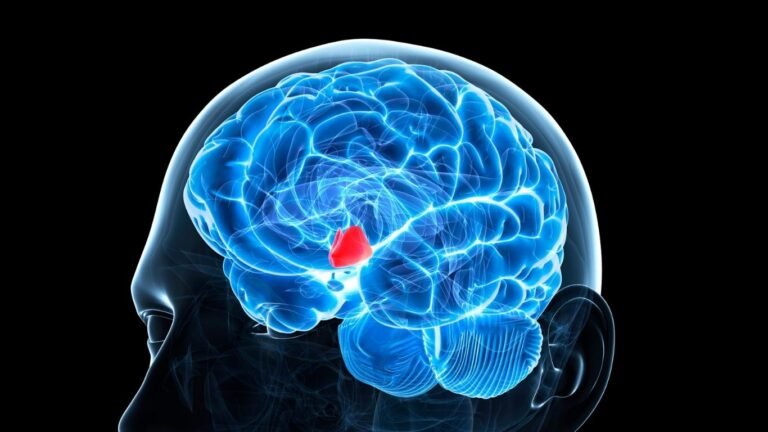
The reflexes are controlled by a distributed neural network rather than a single “yawn center.” Research has implicated the hypothalamus, the brainstem, and the locus coeruleus, among other regions, in triggering yawns. This complexity helps explain why yawning occurs in so many different contexts: before and after sleep, during boredom, under stress, and even while simply thinking about yawning.
Why Do We Yawn? Leading Theories
The oxygen hypothesis
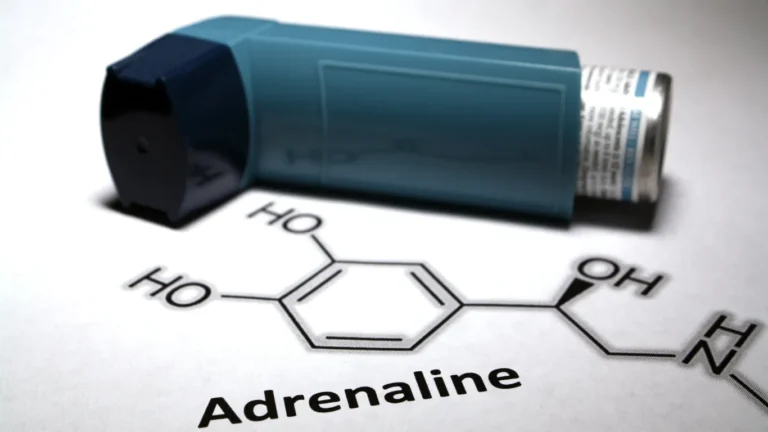
For a long time, people believed yawning helps to take in more oxygen or expel excess carbon dioxide when the brain was “starved” of air. Controlled experiments in the 1980s tested this directly. Volunteers breathed air with elevated carbon dioxide or pure oxygen. Breathing rates changed as expected, but yawning frequency did not. Exercise that doubled breathing rate and oxygen demand also left yawning rates unchanged. These results showed that they are two different mechanisms.
Brain cooling (thermoregulation) theory.
One of the strongest current physiological explanations is that yawning helps cool the brain. Researchers suggest that the deep inhalation and stretching of facial and jaw muscles may influence heat exchange and blood flow around the head. Experiments have found associations between temperature and yawning frequency, but the exact cooling mechanism—and how important it is in humans—remains debated.
Arousal and state-transition theory.
Yawning often occurs during transitions between states of alertness, such as waking up, becoming sleepy, or moving from boredom to activity. It is therefore possible that yawning plays a role in regulating arousal and attention. However, whether yawning actively causes these changes or simply accompanies them remains uncertain. This fits observational data that people yawn most when stimulation is low or when the body is preparing for a change in state.
Communicative and social functions.
Yawning can signal drowsiness, mild stress, or a shift in group activity. In social species, it may help coordinate behavior or increase collective vigilance. This idea gains support from the phenomenon of contagious yawning.
Other proposals, such as a role in maintaining airway patency through muscle stretching or influencing cerebrospinal fluid flow, are under investigation but less firmly established.
Most researchers now view yawning as potentially multifunctional. Physiological regulation (especially cooling and arousal) and social signaling may coexist rather than compete.
Why Is Yawning Contagious?
Seeing, hearing, or even reading about a yawn often triggers one in the observer. Roughly 40–60% of healthy adults experience contagious yawning. Some studies suggest that contagious yawning is more likely between socially familiar individuals than between strangers. Similar patterns have been reported in certain animals, including chimpanzees and dogs, although the strength and interpretation of these effects vary. Contagious yawning becomes more common during early childhood, often appearing around four or five years of age, although the timing varies between individuals.
When Yawning Is a Medical Concern
Yawning is normally harmless, but excessive yawning—far beyond a person’s usual baseline, especially when not triggered by fatigue or boredom—can sometimes indicate an underlying neurological or medical issue. Because yawning involves hypothalamic and brainstem pathways, it can be affected by conditions that disrupt those systems. Anyone who notices a significant, unexplained change in yawning frequency should consult a healthcare provider.
Conclusion
Yawning is a common behaviour, but its exact purpose remains uncertain. Scientists have proposed several explanations, including brain temperature regulation, changes in alertness, and social communication. None has yet provided a complete explanation for why humans and many other animals yawn.
Contagious yawning adds another layer to the mystery. It may be connected to social relationships, attention, or the synchronization of alertness within groups, but researchers are still investigating these possibilities.
What we do know is that yawning is much more than simply taking a deep breath. It is a complex behaviour involving the brain, nervous system, and social environment—and one whose purpose scientists have not fully uncovered.
Sources:
Why do we yawn? – ScienceDirect
The thermoregulatory theory of yawning – NIH
Why yawns are contagious—in all kinds of animals – Science.org