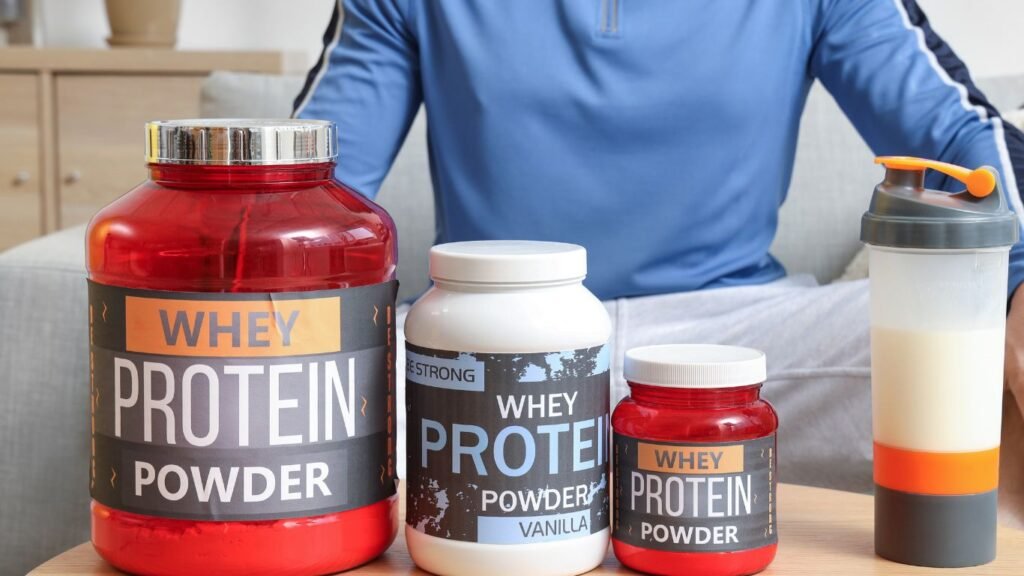
Does Protein Powder Cause Cancer? Protein powders such as whey, casein, and plant-based blends are widely used by athletes, older adults, and people who need a convenient source of protein. But claims that these supplements cause cancer often circulate online.
The current evidence does not show that protein powder itself causes cancer. However, research on commercial protein supplements is more limited than research on dietary protein in general. The product quality matters. Some powders may contain contaminants or other ingredients that raise separate safety concerns.
Does Protein Powder Itself Increase Cancer Risk?
Protein is composed of amino acids. The fundamental building blocks your body uses to repair tissue, produce enzymes, and support immune function. Protein powders are simply concentrated extracts from whole foods. It includes milk (whey and casein), peas, soy, brown rice, or hemp. The theoretical concern about protein and cancer stems from insulin-like growth factor 1 (IGF-1). Higher protein intake can upregulate IGF-1 signalling. Elevated IGF-1 levels have been associated with increased cancer risk in some observational studies.
A 2024 umbrella review of ten systematic reviews, eight of which included meta-analyses. It found no statistically significant association between higher total protein intake and the incidence of breast, prostate, colorectal, ovarian, or pancreatic cancer. However, the certainty of the evidence varied. The review rated the evidence for a lack of association with colorectal and breast cancer as possible. While evidence for several other cancer types was insufficient. Importantly, this research examined dietary protein intake—not protein powder supplements specifically.
No large-scale human studies demonstrate that protein powders specifically cause cancer. Claims linking them to bowel cancer or other malignancies lack supporting epidemiological data. Dairy-derived proteins, in particular, have been associated in some meta-analyses with lower colorectal cancer risk. It was consistent with the protective effects of dairy overall.
The Real Concern: Heavy Metal Contamination
When headlines warn that protein powders contain “carcinogens,” they are almost always referring to contaminants, not protein. Independent testing has repeatedly found heavy metals in many commercial protein powders. Lead, cadmium, arsenic, and mercury can enter products through soil uptake (especially in plant crops), processing, or environmental contamination.
In the United States, the FDA does not generally approve dietary supplements for safety and effectiveness before they are marketed. Manufacturers are responsible for ensuring that their products meet applicable safety and labeling requirements. While the FDA monitors the market and can take action against unsafe or adulterated products. Regulations differ in other countries.
Lead, cadmium, and arsenic can enter protein powders through contaminated soil, water, agricultural crops, or manufacturing processes. Their health effects depend on the metal, chemical form, amount, and duration of exposure. Inorganic arsenic and cadmium are known human carcinogens, while lead exposure is associated with serious neurological and other health effects and has also raised carcinogenic concerns. Mercury toxicity depends strongly on its chemical form.
Chronic exposure to lead and inorganic arsenic is linked to various health harms, including potential carcinogenic effects with long-term high intake. The health risk from contaminants depends on the concentration present, the amount consumed, and how frequently the product is used. Some risk assessments of tested protein powders have estimated relatively low risks under their specific assumptions. But contamination levels vary substantially between brands and products. A product’s safety cannot be determined simply from the fact that it is sold as a protein supplement.
What About Emulsifiers and the Gut Microbiome?
Another area of research concerns food additives such as carrageenan, xanthan gum, and soy lecithin. It may be used to improve the texture or stability of some protein powders. Laboratory studies have found that certain emulsifiers can alter gut microbiota or affect intestinal barrier function. However, effects differ between additives, and findings from laboratory models cannot be directly translated into cancer risk in humans.
Some researchers, including colorectal surgeon James Kinross, have raised questions about the possible effects of food additives on the gut microbiome. Human evidence remains limited, and there is currently no convincing epidemiological evidence showing that emulsifiers in protein powders cause colorectal cancer. This is an area for further research, not an established cancer link.
Conclusion
Current research does not establish that protein powder itself causes cancer. Studies of total dietary protein have generally found no clear association with several major cancer types. The certainty of evidence varies and research on protein powder supplements specifically remains limited.
The more practical concern is product quality. Contaminant levels can differ between products, and some ingredients are still being studied for their effects on the gut microbiome. Choosing products from manufacturers that provide credible independent testing can help reduce unnecessary exposure to contaminants. Protein powder should be viewed as a convenient source of dietary protein—not as a risk-free product or a substitute for a balanced diet.
Sources:
Do Protein Powders Cause Cancer? The Real Risks – SCIENCEINSIGHTS
Does protein powder cause bowel cancer? – selph